
Table of Contents
ToggleAbout Buddhism
Discover the Teachings, History & Sacred Journey of Lord Buddha
Buddhism is more than a religion — it is a path of peace, wisdom, compassion, and spiritual awakening. Rooted in the teachings of Lord Buddha over 2,500 years ago, Buddhism continues to inspire millions of people across the world through mindfulness, simplicity, and inner harmony.
Understanding Buddhism
Buddhism began in ancient India with the life and teachings of Siddhartha Gautama, who later became known as the Buddha, meaning “The Enlightened One.” His teachings focused on understanding suffering, achieving inner peace, and living a compassionate life.
Today, Buddhism is practiced across many countries including India, Nepal, Thailand, Sri Lanka, Japan, Bhutan, Myanmar, China, and Tibet. Pilgrims from around the world visit sacred Buddhist sites to connect with the spiritual legacy of Lord Buddha and experience the peaceful atmosphere of these holy destinations.
The Life of Lord Buddha
His teachings later spread across Asia and became one of the world’s most influential spiritual traditions.
Core Teachings of Buddhism
The teachings of Buddhism focus on living mindfully and understanding the nature of life.
The Four Noble Truths
- Life involves suffering
- Suffering has causes
- Suffering can end
- There is a path to freedom from suffering
The Noble Eightfold Path
The Buddha taught practical principles for living a balanced and meaningful life through:
- Right Understanding
- Right Thought
- Right Speech
- Right Action
- Right Livelihood
- Right Effort
- Right Mindfulness
- Right Concentration
These teachings continue to guide millions toward inner peace and spiritual awareness.
Important Buddhist Pilgrimage Sites
India and Nepal are home to some of the world’s most sacred Buddhist destinations. These places are deeply connected to the life and journey of Lord Buddha.
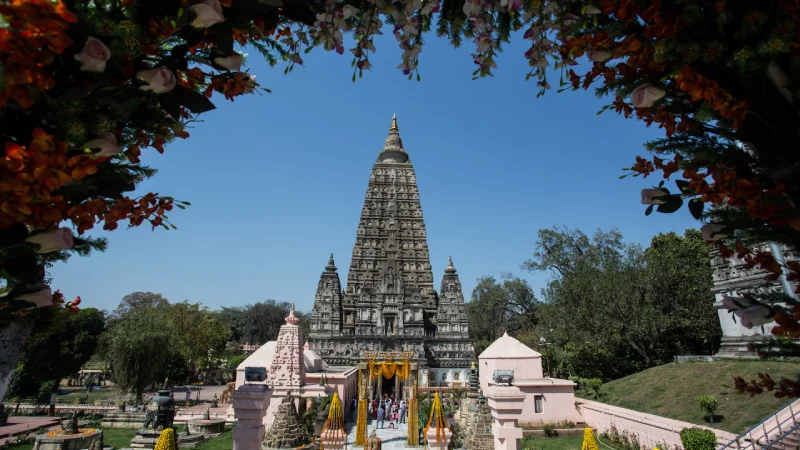
The place where the Buddha attained enlightenment beneath the Bodhi Tree. The Mahabodhi Temple Complex here has been a UNESCO World Heritage Site since 2002, and for most Buddhists it is the single most sacred place on earth. In Bihar, about 250 km from Varanasi.
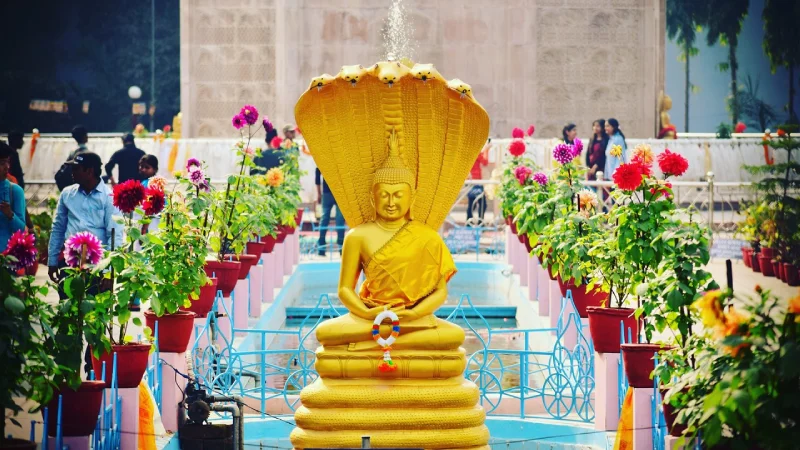
Where the Buddha delivered his first sermon after enlightenment, and where the first community of monks began. The great Dhamek Stupa marks the spot. Sarnath was inscribed on the UNESCO World Heritage List in July 2026 and lies only about 10 km from Varanasi.
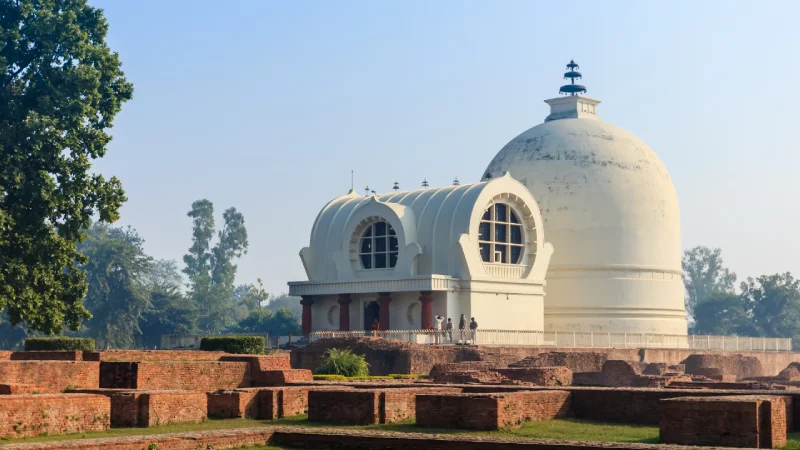
The sacred site where the Buddha attained Mahaparinirvana at the age of eighty. The Mahaparinirvana Temple holds a 6.1 metre reclining Buddha carved in the fifth century, and the Ramabhar Stupa nearby marks the place of his cremation. In Uttar Pradesh, about 50 km from Gorakhpur.
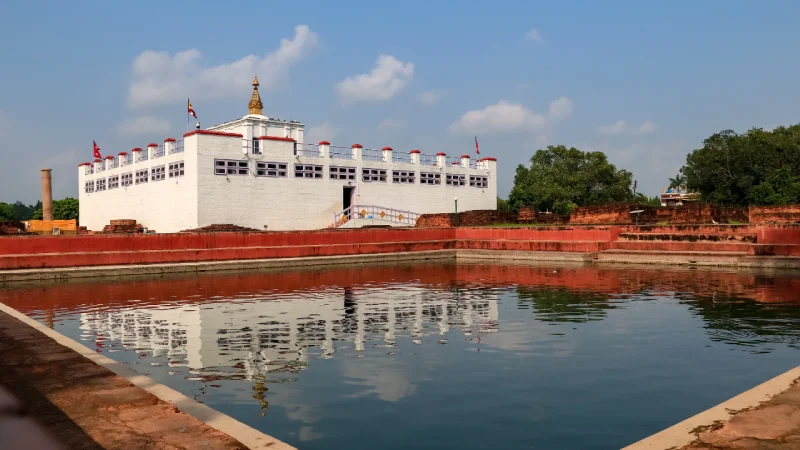
The birthplace of Lord Buddha, in southern Nepal. The Maya Devi Temple stands over the spot itself, and the Ashoka Pillar beside it, erected in 249 BCE, is the earliest firm evidence for the site. A UNESCO World Heritage Site since 1997.
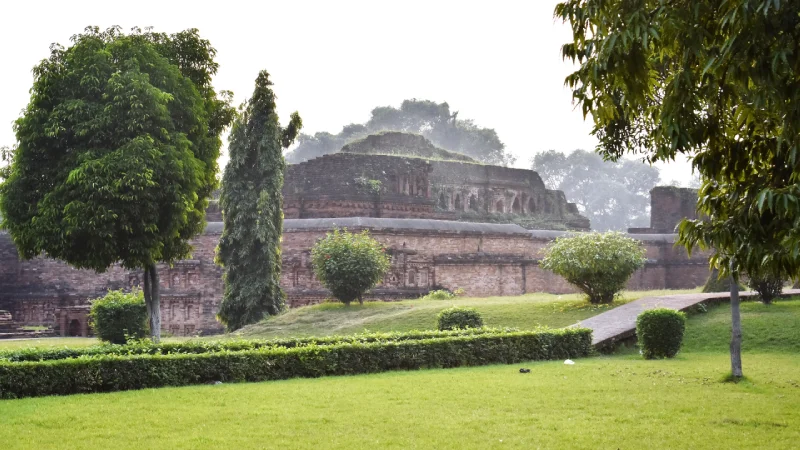
Ancient centres of Buddhist learning, meditation and monastic education. Rajgir was the Magadha capital where the Buddha taught from the Vulture’s Peak and where the First Buddhist Council met. Nalanda Mahavihara, a UNESCO World Heritage Site since 2016, was the greatest Buddhist university of the ancient world.
These destinations form the famous Buddhist Circuit, attracting pilgrims, monks, scholars, and spiritual travelers from around the globe.
Buddhism in the Modern World
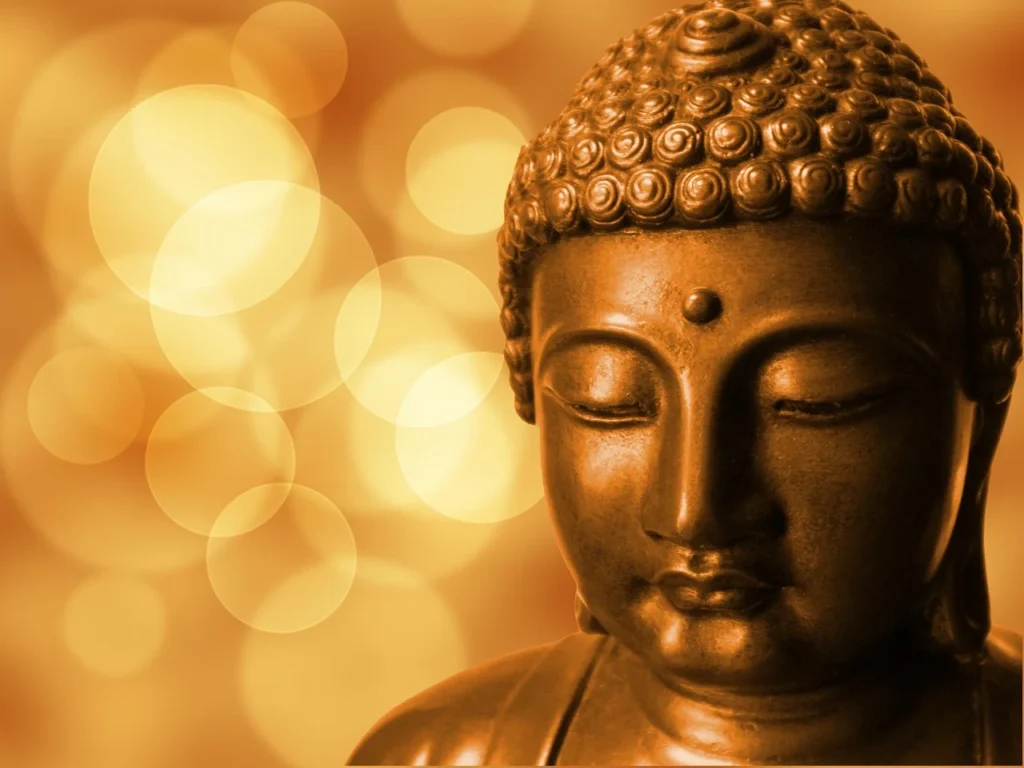
Buddhism continues to influence modern life through meditation, mindfulness, compassion, and peaceful living. Many people today explore Buddhist practices to reduce stress, improve focus, and develop a deeper understanding of themselves.
Meditation centers, monasteries, and Buddhist temples around the world welcome visitors seeking spiritual growth, healing, and inner calm.
Whether you are a pilgrim, traveler, or curious learner, Buddhism offers timeless wisdom that transcends borders and cultures.
Experience the Spiritual Heart of Buddhism
Visiting Buddhist pilgrimage destinations is more than a journey — it is a deeply meaningful spiritual experience. Walking through the places connected to Buddha’s life allows travelers to connect with centuries of history, devotion, and peaceful energy.
From chanting monks and ancient monasteries to sacred temples and meditation spaces, every destination offers moments of reflection and inspiration.
A Buddhist pilgrimage is an opportunity to:
- Explore sacred heritage sites
- Experience authentic Buddhist culture
- Practice mindfulness and meditation
- Learn ancient spiritual traditions
- Connect with peaceful communities

Begin Your Buddhist Journey
Explore sacred Buddhist destinations, spiritual heritage sites, and meaningful travel experiences across India and Nepal.
Frequently Asked Questions
Q. What is Buddhism?
Ans: Buddhism is a spiritual tradition based on the teachings of Lord Buddha that focuses on wisdom, compassion, mindfulness, and liberation from suffering.
Q. Where did Buddhism begin?
Ans: Buddhism originated in ancient India over 2,500 years ago.
Q. What are the most important Buddhist pilgrimage sites?
Ans: Lumbini (his birth), Bodh Gaya (his enlightenment), Sarnath (his first sermon) and Kushinagar (his final passing) are the four great sites. Rajgir and Nalanda are added by most pilgrims for the Buddha’s teaching years and the ancient monastic university.
Q. Why is Bodh Gaya important?
Ans: Bodh Gaya is the place where Lord Buddha attained enlightenment under the Bodhi Tree.
Q. Can tourists visit Buddhist monasteries?
Ans: Yes, many Buddhist monasteries and temples welcome travelers and spiritual visitors respectfully.